





|
Preventing Flare-ups
Lifestyle
modifications are the first line of defense in controlling eczema,
regardless of whether the eczema is mild, moderate or severe.
Recommended by dermatologists, the following guidelines can help
reduce the severity and frequency of flare-ups, which also may
decrease the need for anti-inflammatory medicine. Continuing to follow
these guidelines once the signs and symptoms clear can help prevent
further outbreaks:
1. Moisturize, moisturize, moisturize.
Eczema is usually dry and itchy, so applying moisturizers as needed to
keep the skin moist is part of an effective treatment plan. Frequent
moisturizing locks in the skin’s own moisture to prevent dryness and
cracking.
One of the best ways to lock in moisture is to apply moisturizer after
bathing. When bathing, care must be taken to avoid irritating the
skin. For tips on how to bathe and moisturize to help alleviate
eczema, visit Bathing and Moisturizing Guidelines.
2.
Limit
contact with anything that irritates the skin.
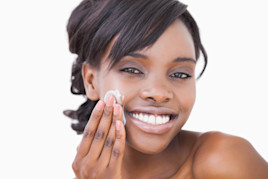
Soaps, bubble bath, perfumes, cosmetics, laundry detergents,
household cleaners, too much time spent in water, finger paints,
gasoline, turpentine, wool, a pet’s fur, juices from meats and fruits,
plants, jewelry and even lotions can irritate sensitive skin. Know what
irritates your skin and limit contact with all that does. Avoiding
personal-care products that contain alcohol and not washing hands too
frequently also will help reduce irritation.
3.
Avoid sweating
and overheating.
The most common triggers of the scratch/itch cycle are sweating and
overheating. It is essential to prevent these situations whenever
possible.
4.
Avoid sudden
changes in temperature and humidity.
A sudden rise in temperature can cause overheating and sweating. A drop
in humidity can dry skin and lead to a flare-up.
5.
Grab a
cold compress to curb the itch.
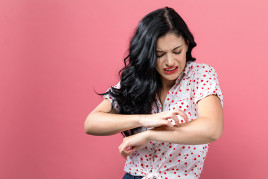
Scratching makes the condition worse and may puncture skin allowing
bacteria to enter and cause an infection. Gently applying a cold
compress to the area that itches reduces inflammation and lessens the
desire to scratch.
6.
Keep fingernails
short. Short
nails decrease the likelihood that scratching will puncture the skin.
Keeping nails short and wearing cotton gloves at night may help prevent
scratching that punctures the skin while asleep.
7.
Dress in
loose-fitting cotton clothes.
Synthetic fabrics, wool and other materials that feel rough to the touch
often irritate the skin and trigger a flare-up. Cotton and cotton-blend
clothes usually make skin feel better.
8.
Double rinse
clothes, and wash new clothes before wearing. Laundry detergents can trigger flare-ups. Using a fragrance-free,
neutral pH detergent and double rinsing clothes can help prevent
flare-ups caused by laundry detergent. It also may be helpful to wash
new clothes before they are worn as washing removes excess dyes and
fabric finishers, which can irritate the skin. Tags should be removed,
too, as these can rub the skin, causing irritation.
9. Reduce stress.
Stress reduction plays a key role in preventing eczema flares. In
today’s fast-paced world, reducing stress can be challenging; however,
there are ways to effectively reduce stress. For more information about
how to reduce stress, visit
Stress Reduction
Techniques.
10.
Follow a prescribed treatment regimen.
Moisturizing and using medications as directed by a dermatologist go a
long way toward keeping flare-ups at bay.
|
For Atopic
Dermatitis Only
Since atopic
dermatitis is a type of eczema that occurs in people who have an
inherited predisposition to allergies, such as asthma, hay fever, or
food allergies, the following also can help prevent a flare-up:
11.
Limit exposure to environmental triggers.
Pollens, molds, mites and animal dander can cause flare-ups.
When pollen
and mold counts are high, limit time outdoors. To help eliminate
flare-ups from mites and animal dander,
follow the
guidelines in
Around the Home.
12.
Find out if any food(s) triggers the atopic dermatitis.
If you suspect a food allergy is a trigger, be sure to tell your
dermatologist. Tests can be run to determine which, if any, food
allergies exist.
|
More Information
Around the
Home
What you can
do around the home that may help relieve the signs and symptoms of
atopic dermatitis
Bathing and
Moisturizing Guidelines
Tips to
maximize the benefits of
bathing and
moisturizing
Stress
Reduction Techniques
Many have
found these methods effective
Winter Skin
Care Guidelines
Tips for preventing dry skin when the humidity drops
|