





| |
AcneNet Spotlight Article
12 Ways
to Get Better Results from Acne Treatment
Effective Acne Treatment Often Requires
More Than Medication
Do you wish that
your acne medication left you with clearer skin? Better results may
not come from trying the latest acne treatment or a stronger
acne-fighting cream — but from making some simple changes.
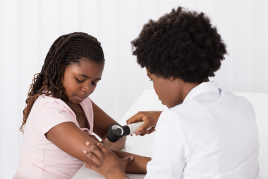
For those seeing a dermatologist
-
Use your
acne treatments exactly as prescribed.
Acne only clears when the
treatment targets everything that is causing the acne. Since
most acne medications target only 1 or 2 causes, 2 or 3 products
are often necessary. To see clearer skin, these products must be
used as prescribed.
-
Stop using acne
treatments not prescribed by your dermatologist.
Using acne products that are not
part of the treatment plan prescribed by your dermatologist can
irritate your skin. Irritated skin usually leads to more
breakouts. For best results, dermatologists recommend using only
the acne-fighting products and medications in your treatment
plan.
-
Speak up.
Dermatologists do not want patients to feel
confused about acne treatment. If you do not understand
something, ask about it. If an acne treatment option not
prescribed by your dermatologist interests you, be sure to
mention it. Asking questions is often the answer to effective
acne treatment.
For everyone treating acne, including those seeing a
dermatologist
-
Never pop, squeeze, or pick acne.
Popping and squeezing
pimples, whiteheads, blackheads, and cysts tends to make acne
worse. All this does is make the acne last longer. This can make
it difficult to see clearer skin no matter what treatment you
are using. Trying to get rid of a pimple by popping or picking
also can lead to scarring, which can be permanent.
-
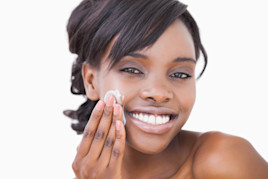
Avoid abrasive soap, facial scrub, toner, astringent, and
masks. These can irritate the skin, and irritated skin is more
likely to break out. Irritated skin also makes it more difficult
to tolerate acne medication. A mild cleanser used twice a day to
wash the skin is actually more effective for controlling acne
and preventing breakouts.
-
Do not scrub your skin clean.
While scrubbing away oil and
grime may seem like a good idea, scrubbing actually irritates
acne-prone skin. Irritating the skin generally leads to
breakouts.
When washing the skin, use lukewarm (not hot) water and gently
apply a mild cleanser with your fingertips. Washcloths and puffs
tend to be too abrasive. Limiting washing to twice a day can
help reduce irritation and dryness.
-
Wait 5 to 15 minutes to apply acne medication.
Applying acne
medication right after you shower or wash your face can irritate
the skin and lead to breakouts. Wet skin is most absorbent. To
avoid irritation, dermatologists recommend waiting 5 to 15
minutes before applying acne medication.
-
Use only oil-free skincare and hair care products.
Makeup,
hair gel, and other products used by people with acne-prone skin
should not contain oil. Oil tends to clog pores and lead to
breakouts. Look for products that are labeled “oil free,” “nonacnegenic,”
or “noncomedogenic.” This means the product does not clog pores.
-
Apply acne medication before makeup.
Wearing an oil-free
makeup is fine, but make sure it does not prevent the acne
medication from working. Makeup should always be applied after
topical acne medication.
-
Continue using the medication when skin clears.
To keep skin
blemish free, most people with acne need to continue using at
least 1 acne medication. If you have been using an
over-the-counter product, you may be able to taper your use to a
few times a week.
-
Gently cleanse skin after sweating.
Sweating, especially
under a hat or helmet, can aggravate acne-prone skin. Gently
cleansing the skin as quickly as possible afterwards can help
prevent breakouts. When cleansing the skin, avoid the temptation
to rub or scrub sweat from the skin. This can irritate the skin
and cause breakouts.
-
Give acne-fighting products enough time to work.
As a rule
of thumb, it takes 6 to 8 weeks before you begin to see an
improvement. Improvement does not mean blemish-free skin, but a
noticeable difference. It generally takes about 6 months to see
clear skin.
Effective Treatment Possible Tremendous gains have been made in acne treatment. Today,
virtually every case of acne can be resolved. If these tips do
not help clear your skin, speak with a dermatologist.

All
content solely developed by the American Academy of Dermatology |
 |
 |
|
It could be what you are
doing and not the acne treatment you are using that is
preventing you from seeing clearer skin. |
|
|
|